The premise is fuzzy
You have an attractive idea, but the real user problem and the smallest honest test are still unclear.
Research strategy for high-stakes ideas
I help teams find the real problem, design responsible human–AI workflows, and build the evidence needed to move — before a promising idea becomes an expensive assumption.
Decision trace / 01
live questionconfidence follows evidence
Background
PhD cognitive psychologist
Recent proof
Led a NIST-funded challenge winner
Working style
Direct, bounded, evidence-first
A useful place to start
You have an attractive idea, but the real user problem and the smallest honest test are still unclear.
The workflow needs failure boundaries, meaningful human control, and a way to show what the system knows.
You need outcomes, decision rules, and a credible story before a prototype becomes a costly commitment.
Ways to work together
A team with a promising idea that is not yet sure it solves the right problem.
The question
Whose problem is this, what do they actually do today, and what is the smallest test that would tell us whether we are right?
A team with an AI workflow that needs evidence, failure boundaries, and meaningful human control.
The question
What is this system claiming, how would we know if it were wrong, and where does a person need to stay in the loop?
A researcher, nonprofit, or early product team moving from an interesting concept to responsible field testing.
The question
What outcome are we changing, how would we measure it honestly, and what result would make us stop?
The working loop
Research is only useful when it sharpens a decision. Every engagement ends in an action, a boundary, or a reason to stop — not a deck that politely restates the question.
Get specific about what must be chosen, by whom, and under what uncertainty.
Separate what is observed, inferred, hoped for, and still unknown.
Find the smallest useful piece of evidence that could genuinely change the plan.
Turn the result into a clear recommendation, including what would make it wrong.
Selected work
2025
Proposal and methodology
Winning entry in a NIST-funded national challenge on turning smart-city digital twin data into decisions people can act on.
2011–2023
Completed earlier in my career
Peer-reviewed work on how acute stress shapes memory, alongside university teaching and graduate research mentorship.
2025–present
Working prototype
An early-stage Android application testing whether low-friction capture and caregiver-reviewed AI can reduce the bookkeeping burden between medical appointments.
 complicated → clear
Why me
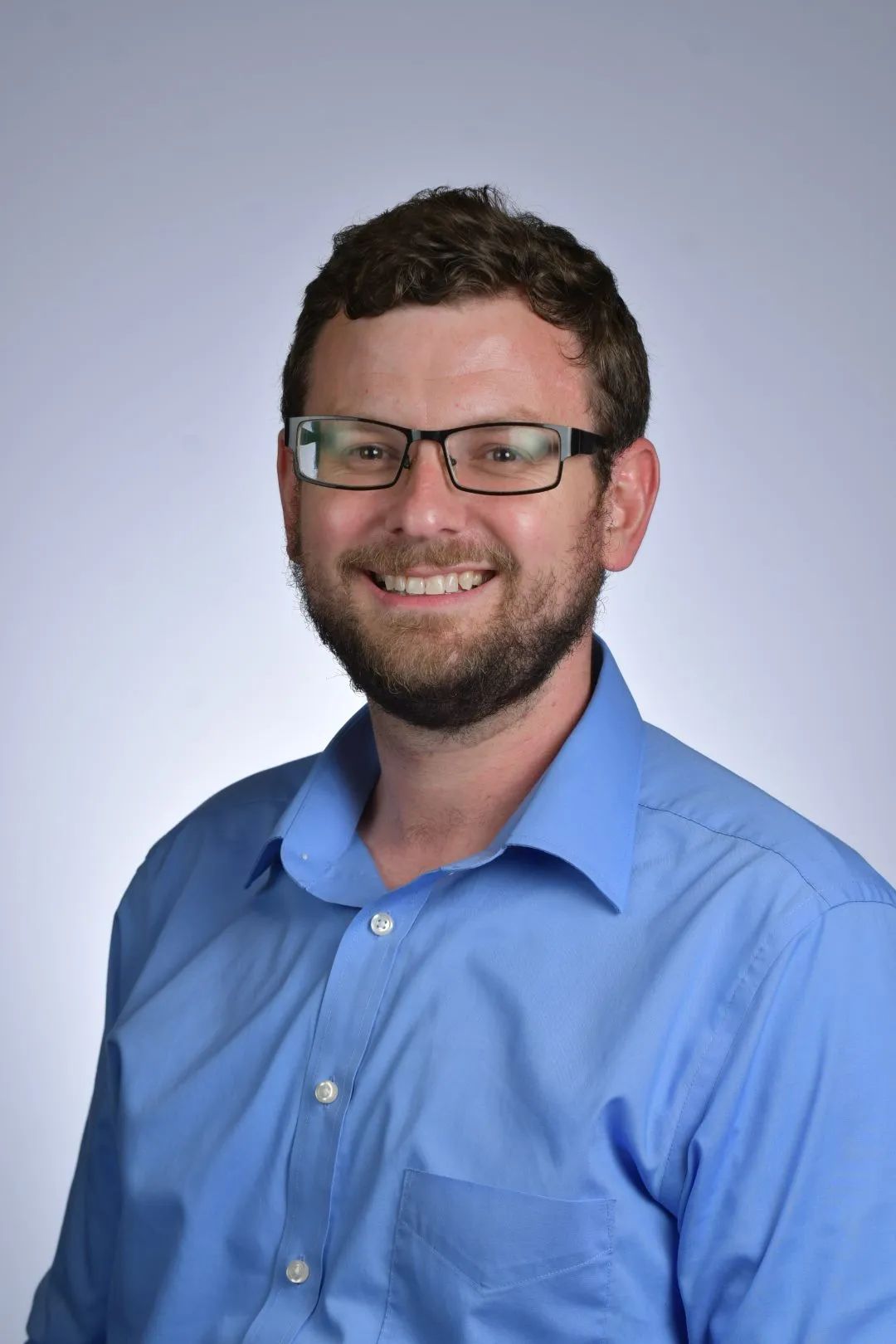
I spent a decade researching human memory and teaching people to reason from evidence. Now I apply that discipline to product questions, responsible AI, pilot design, and the messy space between a persuasive idea and a defensible decision.
My strongest work starts where the answer is not obvious — and where pretending it is would be costly.